– Paul Allen sitting at the teletype connected to the school computer, with a very young Bill Gates standing next to him. Source: Celebrate 50 Years of Microsoft
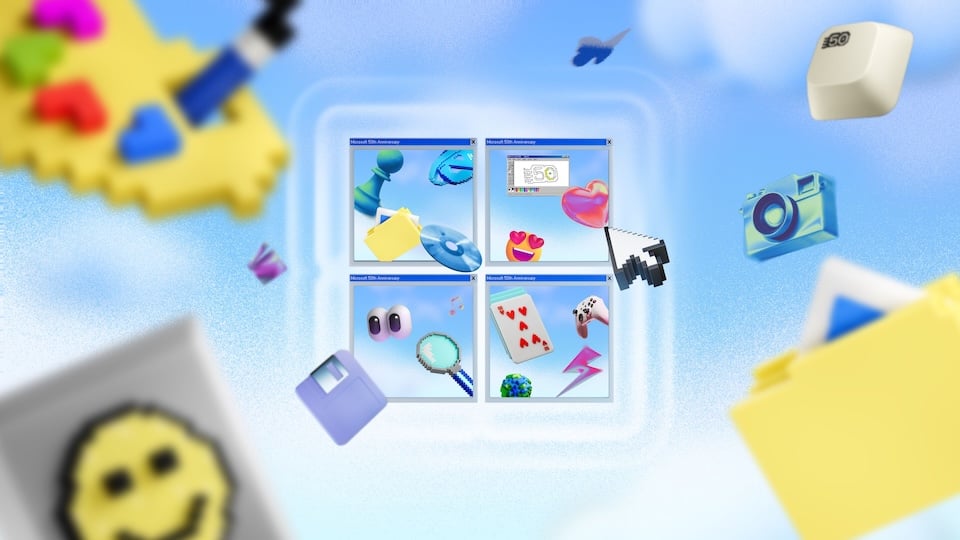
Yesterday, despite the celebrations, I was a bit perfidious toward Microsoft. It must be said, though, that the celebratory piece written by Bill Gates for the 50th anniversary of his creature is beautiful. The text reveals nothing new, it’s all stuff well known to those who know a little about personal computing history, but the graphic realization is spectacular. Thanks to Bill for this beautiful gift!
Whether you Like it or not, Microsoft is the world’s largest software maker that, through methods both fair and questionable, has managed to get its products installed on the vast majority of computers on the planet.
Today, Microsoft turns 50, and it feels like just yesterday when its two founders, Bill Gates and Paul Allen, assured Ed Roberts that they had a BASIC interpreter ready for his Altair 8800, the first truly personal computer, despite having never seen the Altair or the 8080 processor that powered it.
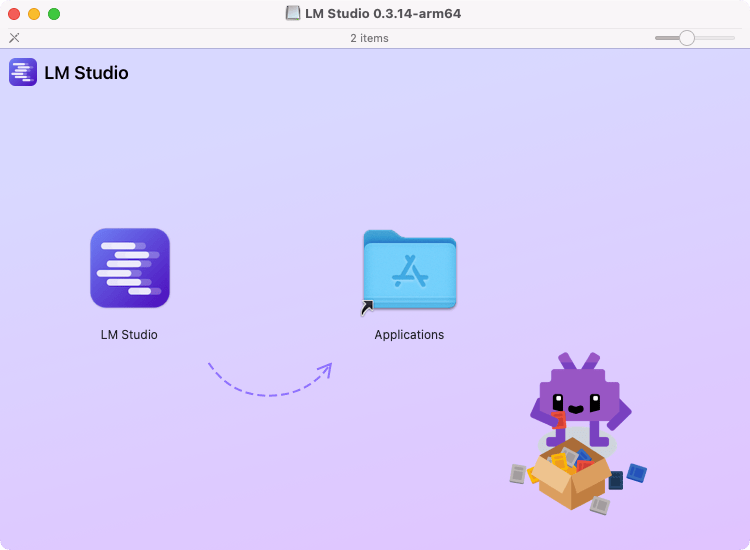
As some of you may already know, I use LLMs (Large Language Models) for what they’re really good at, but I’m pretty skeptical about whether they’re truly intelligent or can solve any problem, as the folks at OpenAI, Microsoft, Google, and Meta keep telling us every day. They’ve invested a ton of money in LLMs, and they obviously have a big stake in getting everyone to use them all the time.
– Source: Scott Rodgerson on Unsplash.
As promised (or threatened?) in the last post, this post is dedicated to exploring the available options for hosting a Jekyll-based website (or any other static site generator), whether for a personal blog like the one you’re reading, a professional studio, or a small business website.
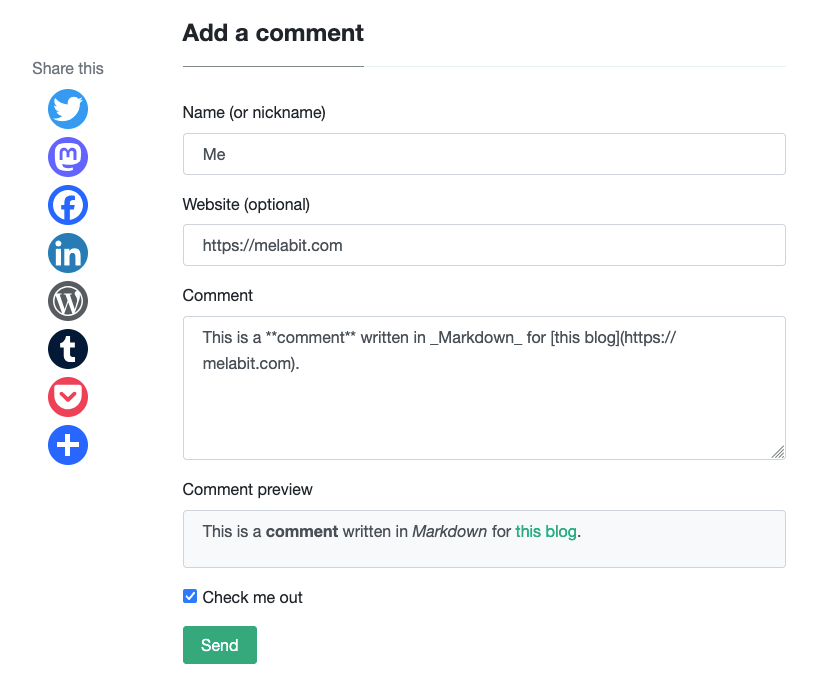
As noted in the last post, Jekyll does not have a built-in commenting system, but its themes often allow comments to be managed by connecting to third-party services such as Disqus and similar platforms.
The problem with these services is that they can stop working overnight (as happened last year with Muut, which no longer even has a website), or they have opaque usage policies and user data collection practices.
After the first part dedicated to installing and configuring Jekyll, this second part of these annotated notes dives into developing a Jekyll site using a pre-existing theme. On the other hand, developing a theme for Jekyll from scratch is far beyond my expertise, but those who can do it don’t need to read these notes.
This post is not meant to be a detailed guide on installing and configuring Jekyll; for that, there are excellent guides listed below.1
Instead, this post is a commented collection of notes I took while developing melabit.com/posts/en. They are the result of days and days of trial and error, changes in direction, and research to find the right command. These notes were useful for me to remember what I had done and how I had solved the issues that arose from time to time. They might be useful for you to get everything done more quickly and smoothly.
– Image generated by Microsoft Designer AI.
In the past few months, I have written four posts about macOS Sonoma bugs (a complete list is at the end of this post) because I found it unbelievable that this macOS version was released with such glaring issues in the Finder and in disk management.
– Source: Jametlene Reskp on Unsplash.
As I mentioned in my last post, leaving the WordPress comfort zone wasn’t easy at all.
Going from focusing solely on writing something interesting – while a team of system administrators and web programming experts handled everything else – to having to do it all by myself was a massive leap.
– Image generated by the Microsoft Designer AI.
Eleven years ago, when I started writing in this personal space, I never imagined I would stick with WordPress.com for so long. WordPress.com is a convenient and reliable blogging platform, but it has always been ill-suited to my way of working. Over time, I learned to live with these limitations, but the idea of changing platforms never left my mind.
 IT
IT
 EN
EN