Among all the Raspberry Pi and Arduino boards I am spending my days with, my favorite is the Raspberry Pi Pico, a small yet powerful microcontroller that can be programmed not only in C/C++ via the Arduino IDE, but also in MicroPython and CircuitPython, two competing Python variants for microcontrollers.
Unlike the other Raspberry Pi models, the Pico does not have a dedicated camera interface, but it can use cameras that communicate over an SPI interface,1 such as the Arducam Mini 5MP Plus.
As effective as Antigravity may be, digging a little deeper reveals that the agent-based systems working inside it, while helpful and capable at answering many complex questions, are not exempt from the usual issues of the large language models (LLMs) we’ve been dealing with for the past three years.
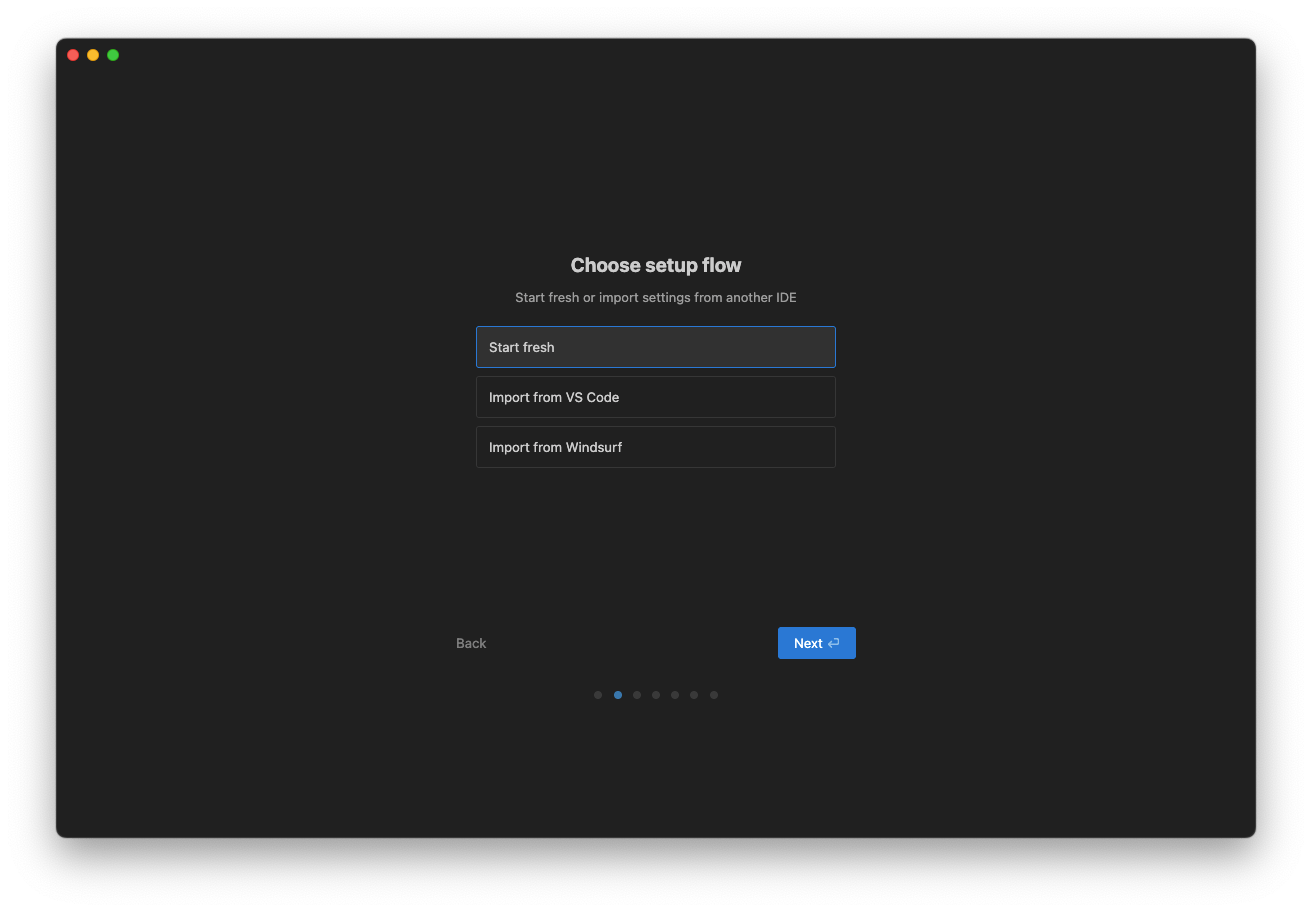
I confess, when I started using Antigravity I had many doubts, because the new revolutionary editor produced by Google seemed to me like just another clone of Microsoft’s VS Code.1
But as soon as I started using the agentic features of Google Antigravity, I had to change my mind, because there is truly something good there.
The video above is the official presentation of Google Antigravity, an IDE (Integrated Development Environment) that is not just a simple IDE but is “a new way of working for this next era of agentic intelligence”. I haven’t yet figured out what that truly means, but it surely sounds very smart and up‑to‑date.
 IT
IT
 EN
EN